Stop Throwing Away Stale Bread: 5 Culinary Techniques
Hard bread is not waste; it is a raw ingredient waiting to be reactivated. In minimalist cooking, every texture finds a second life. Forget the bin: here is how to revive your dry baguette with precision.
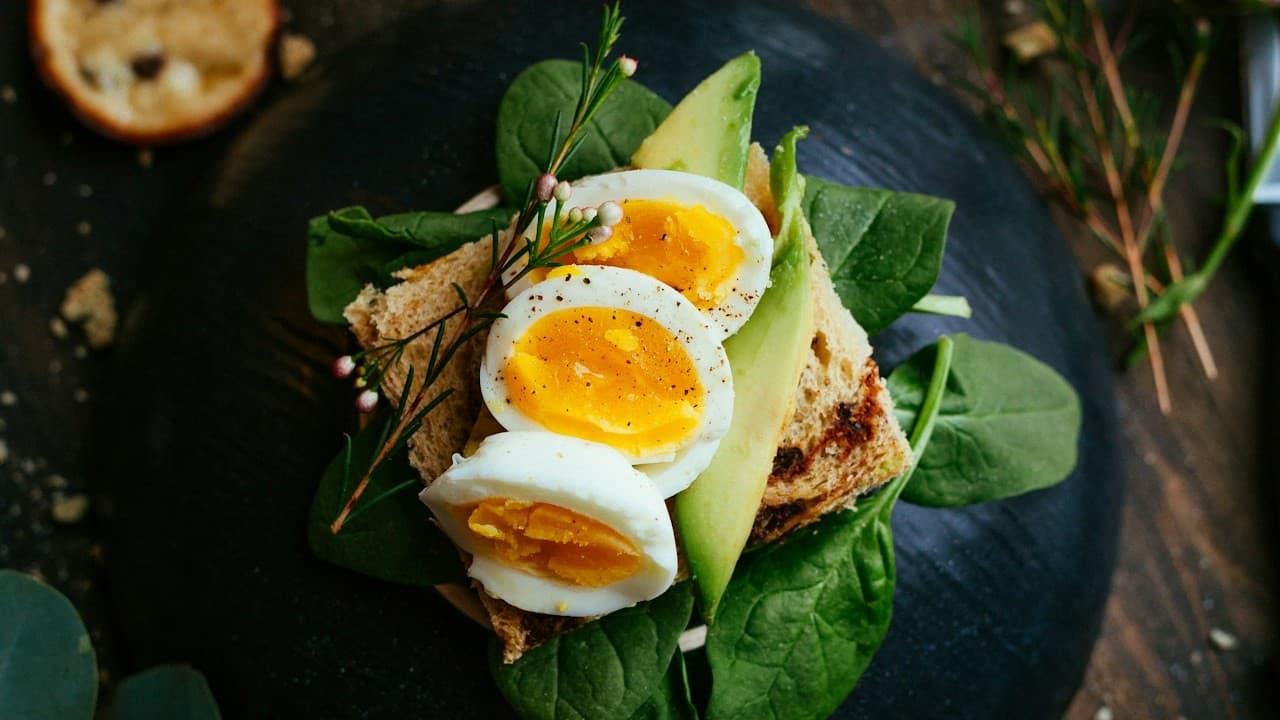
1. The Elevated French Toast
Briefly soak stale bread in a simple custard mixture, then sear it in brown butter. The crumb absorbs moisture without falling apart, creating a striking contrast between a crisp exterior and a tender interior.
2. Technical Breadcrumbs and Minute Croutons
Grind completely dry bread into a fine powder to bind meatballs or coat fish. For exceptional croutons, cut irregular cubes, toss with olive oil and flaky salt, then bake at 180°C until a deep amber color is reached.
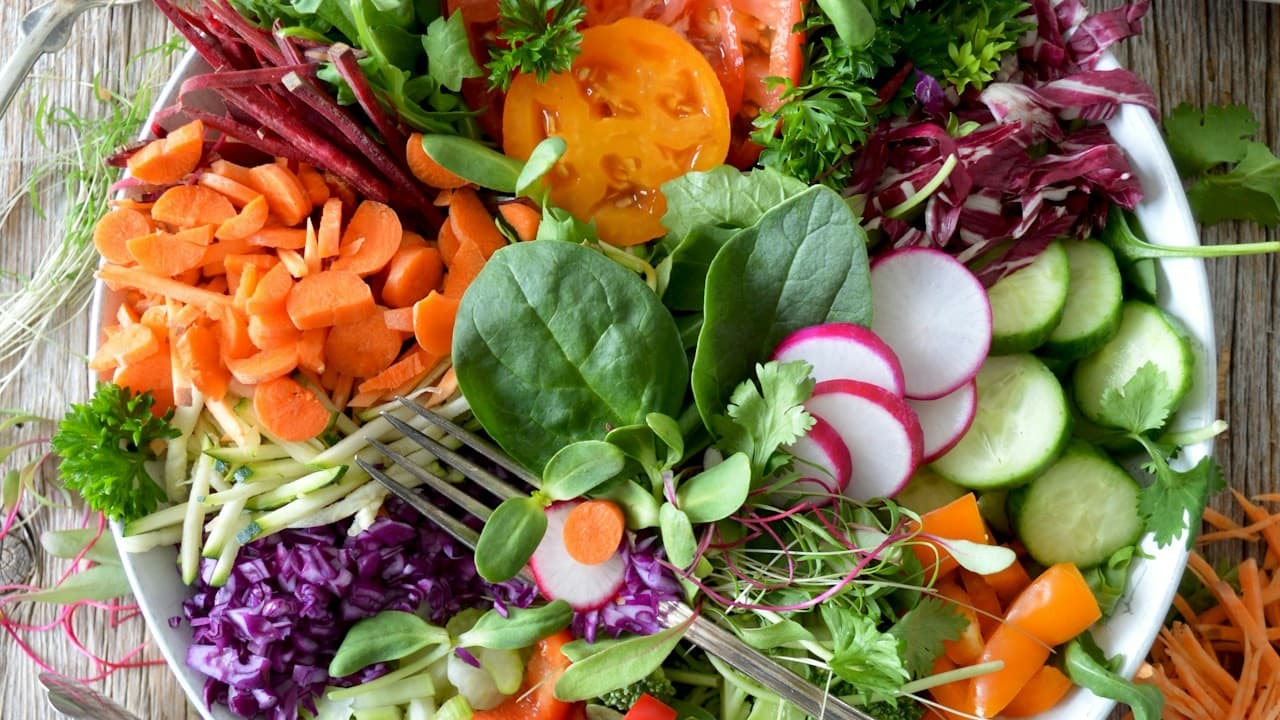
3. Thickened Soups and Broths
Traditional rustic soups rely on a simple principle: stale bread naturally thickens vegetable broths by melting slowly during cooking. It absorbs the juices and transforms into an irresistible velvety texture.
Working with dry bread simply requires understanding hydration and the Maillard reaction. Zero-waste cooking is not a constraint; it is the very essence of thoughtful cuisine.