The Art of Substitution
The Art of Substitution: How to cook without a recipe
Breaking free from recipe cards is the first step toward true culinary autonomy. Following a recipe to the letter limits your creativity in cooking and generates frustration when an ingredient is missing. To cook without a recipe, you only need to understand that a dish is not a list of precise purchases, but a balance of flavor and structure functions.
Substituting an ingredient becomes simple once you identify its structural or aromatic function on the plate.
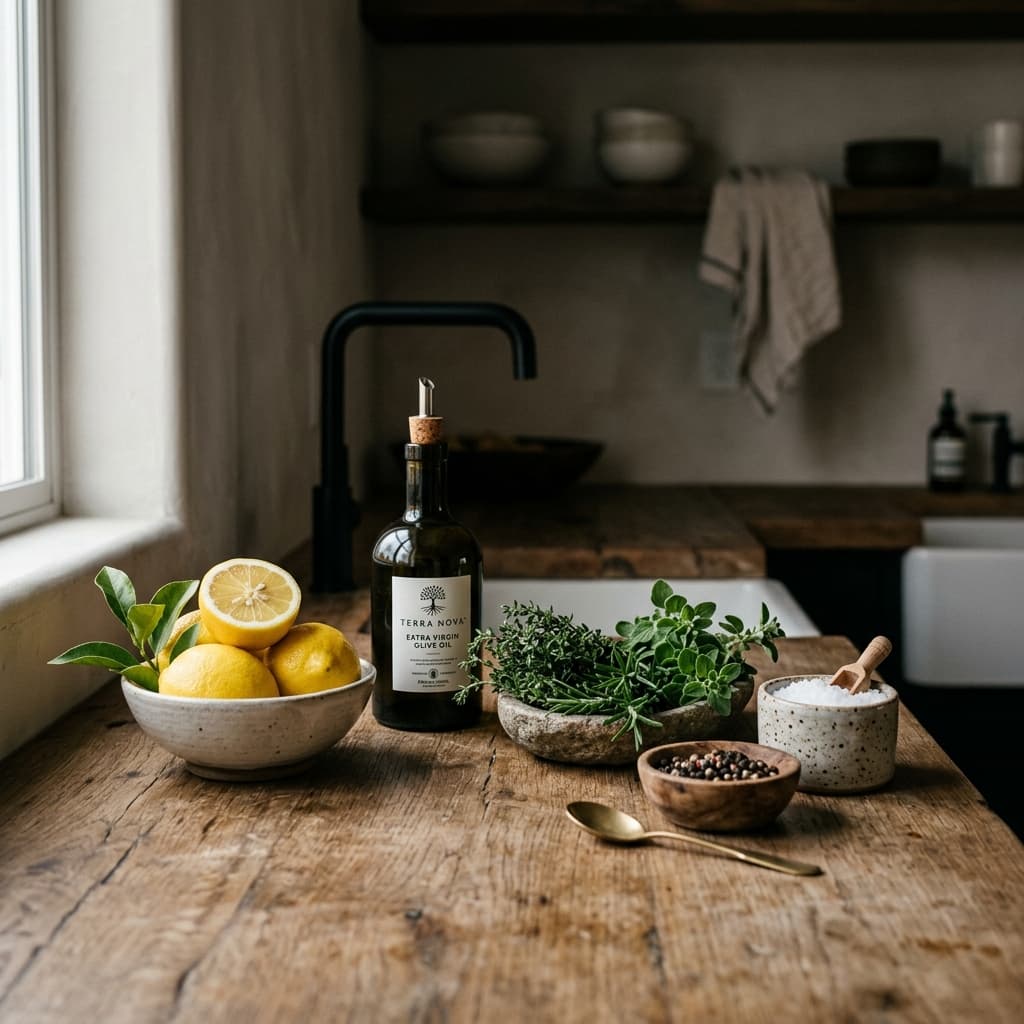
Fat: The flavor carrier
Fat is not just a cooking agent; it is the carrier of aromas. If a recipe calls for butter to sauté vegetables, you can replace it with olive oil, lard, coconut oil, or sesame oil depending on the desired flavor profile.
To substitute fat in a sauce or emulsion, heavy cream can make way for Greek yogurt, coconut milk, or nut butter (sesame, almond) thinned with water. The important thing is to maintain the same proportion of lipids to preserve the dish's richness.
Acid: The contrast enhancer
Acid awakens sleepy flavors and cuts through fat. When a dish lacks contrast, acidity is the immediate answer. If you lack lime juice for a marinade, use apple cider vinegar, rice vinegar, or sumac.
Each acid brings its own note: lemon offers citrusy freshness, while vinegars bring a sharper, fermented bite. If a recipe calls for white wine to deglaze, a splash of vinegar diluted in water will perform the exact same function of releasing the browned bits.
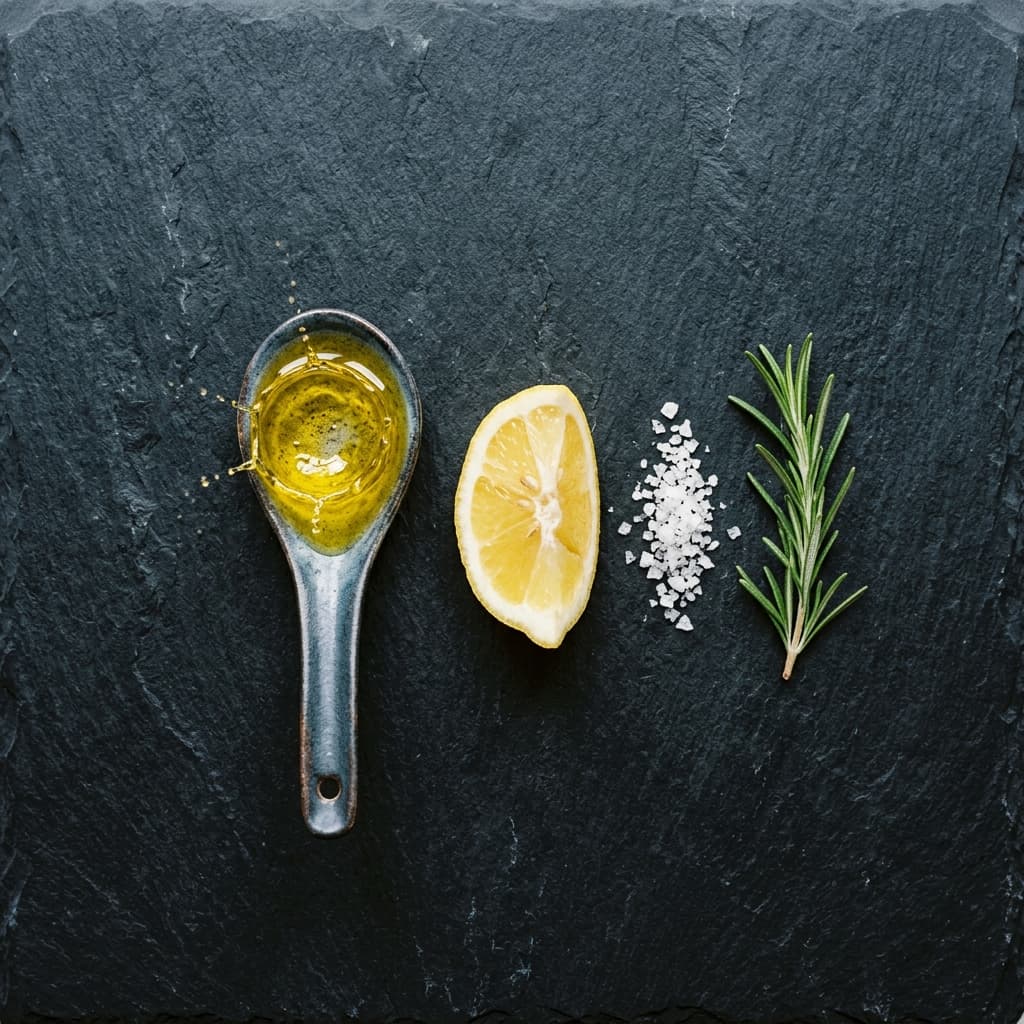
The Binder: The structural pillar
The binder unites disparate elements into a coherent texture. In sauces or soups, cornstarch, wheat flour, or even a mashed potato act as interchangeable thickeners.
In textured preparations like patties or fillings, eggs serve as a protein binder by coagulating with heat. They can be substituted with ground flaxseeds soaked in water (flax egg), pureed legumes, or blended silken tofu. Think about the physical effect you want to achieve to choose your substitute.